Two phase orthodontic treatment is a specialized approach designed to guide the growth and development of a child’s jaw and teeth in an organized, efficient way. Instead of waiting until all permanent teeth have erupted, this method takes advantage of natural developmental stages, addressing issues early and helping create the best possible foundation for a healthy, functional, and beautiful smile. Understanding how two phase treatment works can help parents make informed decisions about their child’s orthodontic care.
What Is Two Phase Orthodontic Treatment?
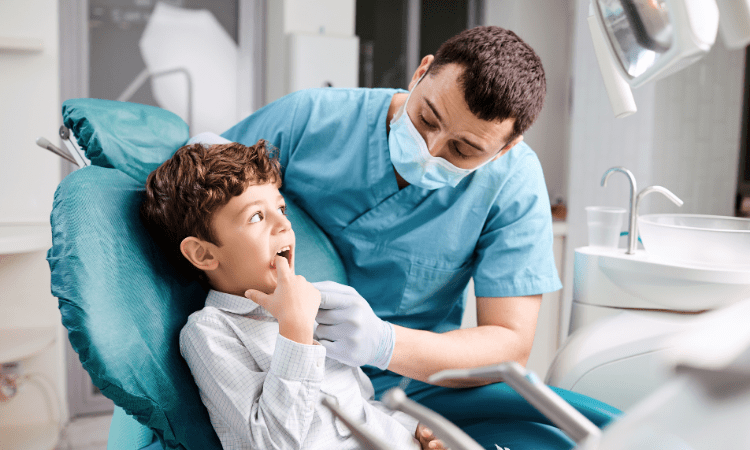
Two phase treatment involves two distinct stages of orthodontic care, each with its own goals and timing. The first phase typically begins while a child still has a mix of baby and adult teeth. This early intervention focuses on guiding jaw growth, correcting bite problems, and creating space for incoming permanent teeth. The second phase begins later, once all or most of the permanent teeth have erupted. During this stage, braces or clear aligners fine-tune tooth alignment and ensure the bite is fully corrected. This structured approach allows orthodontists to treat certain issues at the ideal time, often preventing more complicated problems from developing later in adolescence or adulthood.
Why Early Intervention Matters
The first phase of treatment is rooted in the idea that some orthodontic issues are easier to correct while a child is still growing. Jaw development is especially responsive at younger ages, and early guidance can help prevent asymmetries, overcrowding, and severe bite abnormalities. Treating problems early could reduce the severity of future corrections and sometimes eliminate the need for more invasive procedures.
When the upper or lower jaw is too narrow, too small, or growing out of harmony with the rest of the face, early treatment can help redirect growth patterns. This not only supports proper tooth alignment but can also enhance facial balance and overall oral function. Additionally, early treatment can correct habits such as thumb-sucking or tongue-thrusting, which can negatively impact jaw shape and tooth positioning if left unaddressed.
What Happens During Phase One?
Phase one typically focuses on creating proper jaw structure and space for permanent teeth. Orthodontists may use devices such as expanders, partial braces, or removable appliances depending on the child’s needs. The goal is not necessarily to straighten all the teeth at this stage but to establish the right environment for healthy development. Once phase one is complete, most children enter a resting period. During this time, orthodontists monitor growth and allow the remaining permanent teeth to erupt naturally.
What Happens During Phase Two?
Phase two begins when a child’s permanent teeth have mostly come in. This is the stage most people picture when they think of orthodontic treatment. The focus shifts to aligning teeth, correcting the bite, and refining the results set up during phase one. Braces or clear aligners are typically used, and treatment times vary based on individual needs. The second phase builds on the foundation created earlier, ensuring that teeth not only look straight but also function effectively, contributing to long-term oral health.
Benefits of Two Phase Treatment
Two phase orthodontic treatment offers several advantages. By addressing structural issues early, orthodontists often prevent more serious problems and reduce the likelihood of extractions or surgery later. The approach can shorten treatment time in adolescence and help protect the health of the gums, teeth, and jaw joints. Children who complete both phases often enjoy improved oral function, easier dental hygiene, and enhanced confidence in their smiles.
Is Two Phase Treatment Right for Every Child?
Not every child needs two phase treatment, and an orthodontist can help determine the best timing and approach. Early orthodontic evaluations, usually recommended around age seven, allow professionals to identify developing problems and decide whether early intervention would be beneficial.
Two Phase Orthodontic Treatment in Long Beach, CA
At Garlington Orthodontics, we understand the importance of early intervention for proper bite alignment. With two phase orthodontic treatment, you can dramatically reduce the need for more invasive treatment further down the life. Contact our office today to schedule a consultation and learn more about how we could help your child’s smile development.