Orthodontic treatment is designed to be a smooth process, but unexpected issues can sometimes arise. Knowing when a situation requires emergency orthodontic care could prevent discomfort, protect your appliances, and ensure your treatment stays on track. While some concerns can wait for a scheduled visit, others need prompt care from an orthodontic professional. Understanding the difference can help you respond confidently and appropriately.
Understanding True Orthodontic Emergencies
Orthodontic emergencies are less common than many people assume. Most problems with braces or aligners are minor and manageable at home until you can visit your orthodontist. A true emergency typically involves severe pain, infection, trauma to the mouth, or appliance damage that threatens your oral health. Quick action is important because delaying care in these cases may worsen the situation or prolong your treatment.
Emergencies often result from accidents, sports injuries, or unexpected appliance failures. Even if you are unsure whether something qualifies as urgent, it is better to reach out to your orthodontist than to wait and hope the problem resolves on its own. Timely communication could prevent complications and restore your comfort more quickly.
When Pain Signals Something Serious
Mild discomfort is normal after adjustments, but intense or persistent pain is not. Severe pain can indicate that a wire or bracket is pressing into soft tissue, an infection is developing, or a component of your appliance has shifted out of place. If over-the-counter pain relief and simple home remedies such as saltwater rinses do not help, it is time to contact your orthodontist for guidance.
Sudden sharp pain, especially when it is linked to visible swelling or bleeding, should be evaluated right away. This is especially important for patients with underlying dental issues such as gum disease or cavities, as orthodontic pressure can occasionally aggravate these conditions. Ignoring significant pain may make eating, speaking, and even sleeping difficult, and it can compromise the health of your teeth and gums.
Handling Broken or Loose Appliances
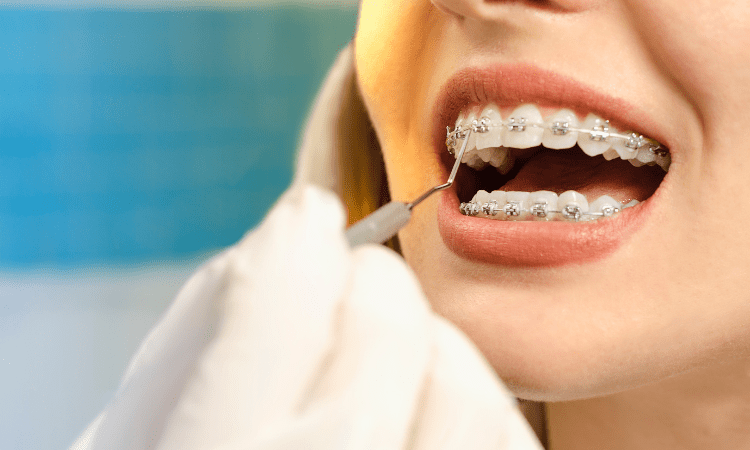
Bracket and wire problems are among the most common orthodontic concerns. If a wire breaks or protrudes, it can irritate or cut the inside of your mouth. Orthodontic wax can provide temporary relief, but professional repair is necessary to ensure the appliance continues to function correctly. Likewise, a loose bracket, broken band, or detached expander component requires prompt attention. Even if the problem is not causing pain, a damaged appliance cannot guide your teeth effectively.
Clear aligner patients may face different challenges. Cracked or severely warped trays can create unwanted pressure or fail to move teeth as planned. If an aligner breaks or no longer fits snugly, do not continue wearing it until your orthodontist advises you. They may recommend switching to the next set, temporarily reverting to a previous one, or coming in for a replacement.
Responding to Trauma or Injury
Any impact to the mouth or jaw during orthodontic treatment warrants immediate evaluation. Trauma from a fall, accident, or sports injury can damage teeth, dislodge brackets, or bend wires. More importantly, it may cause issues that extend beyond orthodontics, such as tooth fractures or soft-tissue injuries. Even if your braces appear undamaged, underlying problems might not be visible. If a tooth is knocked loose or out of position, rapid intervention can make a significant difference in preserving tooth health. Orthodontists often coordinate with general dentists in these situations to stabilize teeth and protect your appliance.
Emergency Orthodontic Care in Long Beach, CA
At Garlington Orthodontics, we are dedicated to helping our patients achieve straighter, healthier smiles. If you experience an orthodontic emergency, don’t hesitate to reach out. The longer you delay treatment, the more damage your oral health could suffer. Contact our office today to schedule your appointment and get the care your smile needs.